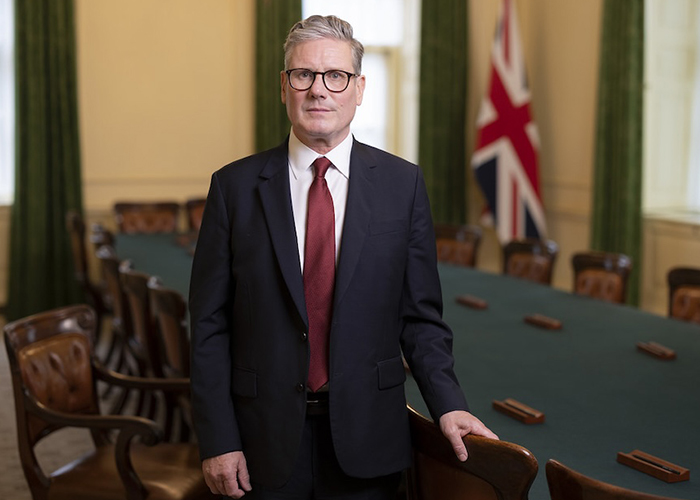
UK Prime Minister Keir Starmer has announced a new Defence Investment Plan that includes more than £5 billion for drones and autonomous weapons and £115 million to strengthen defences against AI-related threats.
In a speech delivered in Maidenhead on 30 June 2026, Starmer said the plan would lift defence spending from £54 billion a year before his government took office to “almost £80 billion a year by 2029”. He said this represented a real-terms increase of 27%, raising defence spending from 2.3% of GDP in 2024 to 2.7% and placing the UK on what he described as a trajectory to reach 3% in the next Parliament.
Starmer said total defence spending over the next four years would be “almost £300 billion”, including an additional £15 billion under the new plan. He also referenced a wider security spending commitment of 5% of GDP, which he said the Defence Investment Plan would take to 4.2%.
In the speech, Starmer linked the investment plan to lessons drawn from the war in Ukraine, including the rapid integration of drones and the role of technology in military innovation and production at scale. He said the plan aimed to modernise the armed forces, rebuild ammunition stockpiles, and increase readiness.
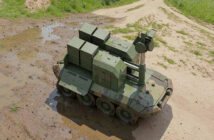
Starmer outlined ambitions for what he called a “hybrid Royal Navy” using uncrewed surface and sub-surface vessels operating alongside crewed warships, and Royal Air Force Typhoons flying with “autonomous wingmen”. He also described a future army with expanded use of attack drones, surveillance drones and “low-cost one-way attack drones”. He said the plan also included investments in long-range missiles, armoured vehicles and counter-drone systems, as well as over £500 million for technology and capabilities for Commandos and Special Forces.
While much of the announcement focused on defence capability, Starmer also argued the investment was designed to fit within fiscal rules. He said funding would come from reallocating capital spending across government departments, including by making greater use of underused public assets such as land. He said some capital projects, including in areas like roads and energy, “will no longer go ahead as planned”.
Starmer said the plan was also intended to support the domestic industrial base and jobs. He claimed it would create “almost 60,000 jobs” and announced a new £50 billion Defence Export facility, describing it as an expansion of UK Export Finance support for defence exports.
On international cooperation, Starmer said the UK would develop “deep precision strike weapons” with Germany and build frigates with Norway focused on anti-submarine roles. He also announced £400 million for a Multilateral Defence Mechanism to finance and procure defence equipment with allies.
He said the government would invest £8.6 billion under the Global Combat Air Programme with Italy and Japan to build Tempest fighter jets, and confirmed £64 billion for renewing the UK’s nuclear deterrent, including new submarines, a new sovereign warhead, and the purchase of 12 F-35A fighter jets.
Starmer positioned the Defence Investment Plan as part of a broader response to state-based threats, referencing disinformation, attacks on critical undersea cables, and violence and sabotage attributed to “thugs hired by foreign powers”. He said the plan was being published ahead of a NATO summit the following week.