Australian defence company Boresight Ltd is urging greater attention on counter-drone training, arguing that spending on counter-UAS weapons is outpacing the ability of military operators to train against realistic drone threats.
In a statement distributed via Medianet, the company said the gap is widening across NATO militaries and Indo-Pacific partners as governments invest “billions” in missiles, lasers, kinetic systems and electronic warfare to counter drones, while training remains difficult to systematise for what it describes as a “highly randomised occurrence”.
Boresight’s managing director Justin Olde, described as an Australian Army veteran with more than 25 years of service, said effective use of counter-drone systems is often assumed rather than regularly tested. “Every dollar spent on a counter-drone weapon system is an assumption that the person holding it knows what they’re doing. Right now, that assumption is not being tested anywhere near enough,” he said.
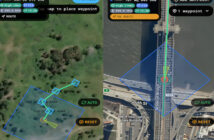
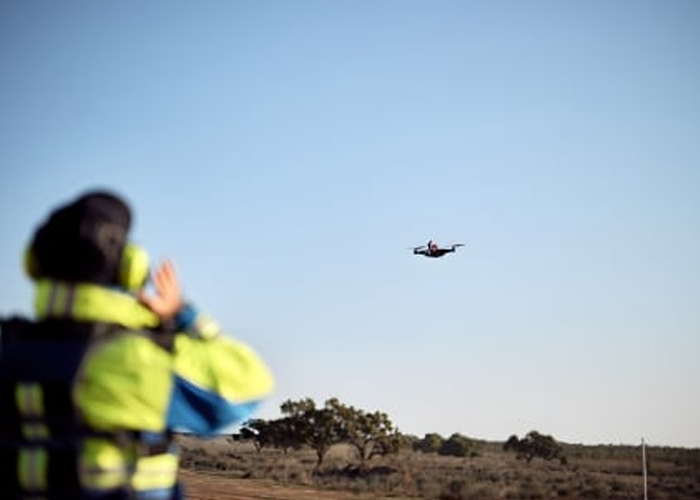
The company says it is developing an “end-to-end ecosystem” intended to support repeatable, cost-effective training. This includes aerial target drones designed to be expendable, alongside a control system and training components. Boresight says its platform range includes quadrotor and fixed-wing aerial targets intended to replicate evolving drone threats and enable repeatable training scenarios “without risking high-value ISR assets”.
The claim highlights a broader operational issue for armed forces: even as counter-drone capabilities expand, the effectiveness of those systems depends on how frequently personnel can train against realistic targets, and whether training infrastructure can scale without consuming high-cost operational assets.