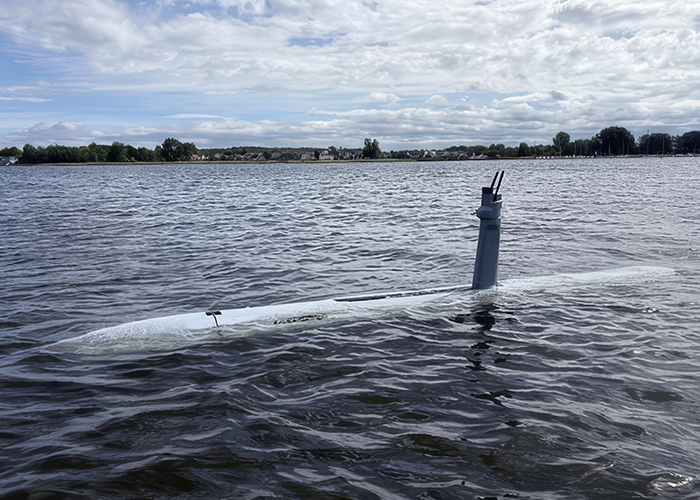
GABLER and German defence technology company FLANQ say they have completed the Sea Acceptance Test (SAT) for a torpedo-tube-launched uncrewed surface vessel (TTL USV) capability demonstrator, designed to be deployed from a standard 21-inch submarine torpedo tube.
The companies said the June trials in northern Germany validated the integration and operation of key technologies and demonstrated seaworthiness, with performance data recorded and verified throughout the test program.
The demonstrator, named Ranger, is a 4.5-metre platform intended to autonomously surface after launch and conduct intelligence, surveillance and reconnaissance missions. The system includes a folding keel and sensor mast, an electric drivetrain, and a mission-configurable payload bay, according to the release.
The announcement also outlined a planned one-way-attack variant, called Strike. GABLER said it is leading commercialisation, delivery to naval customers and integration with host platforms.
The companies positioned the project within wider defence interest in autonomous maritime systems as part of “hybrid” naval operations, arguing that uncrewed systems deployed from submarines and surface ships could expand operational options and reduce risks to personnel.
GABLER TTL USV Project Lead Felix David said completion of the SAT represented a milestone for the program and indicated maturity at its current development stage. FLANQ Chief Technology Officer Jannik Sauer said the effort combines commercial-off-the-shelf technologies with operational know-how to develop future maritime mission capabilities.
The release described the SAT as completing a proof-of-concept phase, with development continuing toward operational capability for end-users.