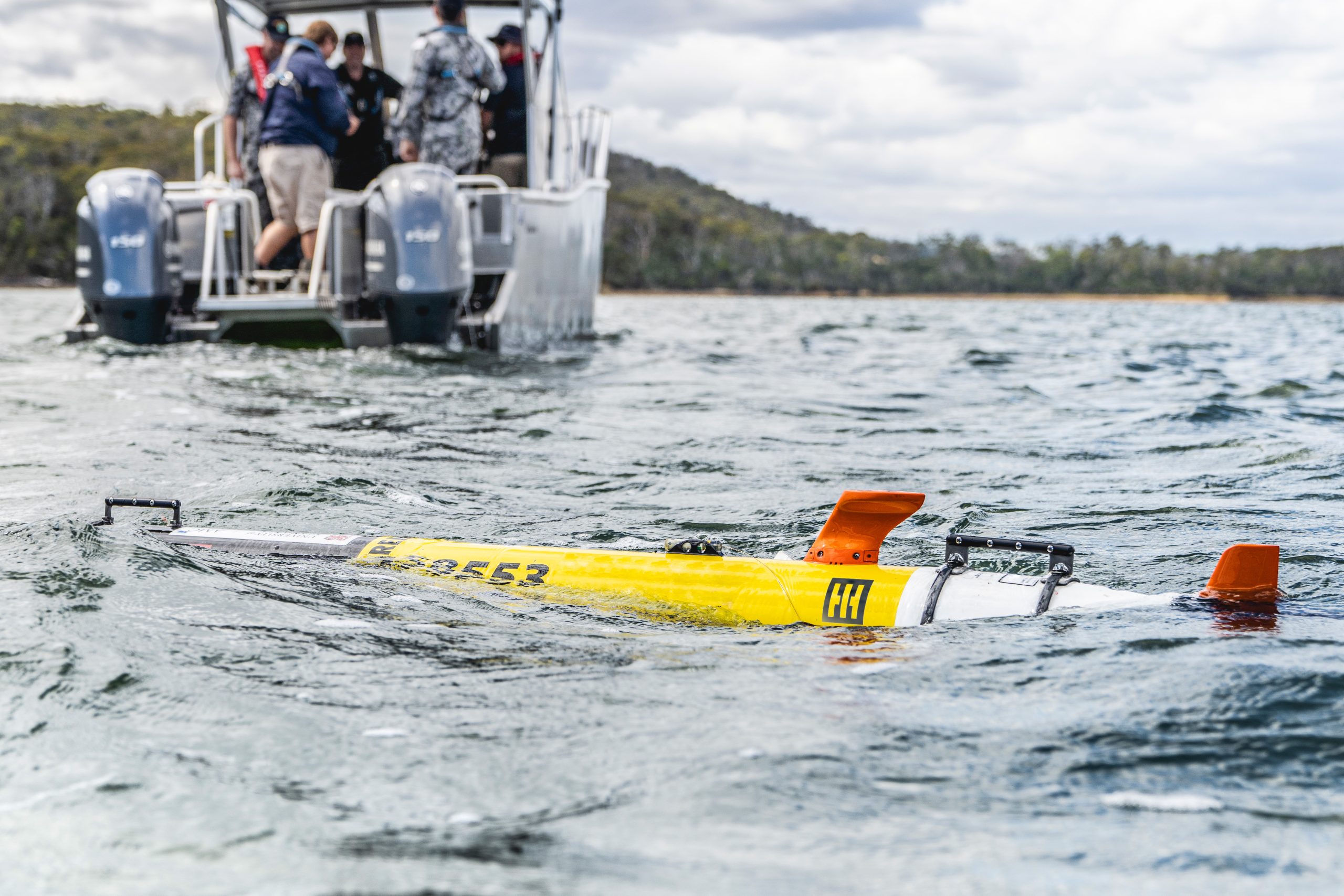
The Australian Maritime College and HII have reported a rare reliability outcome in autonomous maritime operations, with an AMC-operated REMUS 100 autonomous underwater vehicle completing 935 missions over seven years with just two days of downtime attributable to material faults.
According to the data released, the vehicle maintained operational availability above 99.9% despite frequent deployment in demanding marine environments. During the same period, the system supported the training of more than 400 Royal Australian Navy autonomous underwater vehicle operators, placing sustained operational pressure on both the platform and its support processes.
High availability remains a persistent challenge for autonomous maritime systems, which must operate for extended periods without direct human intervention while exposed to saltwater corrosion, pressure cycles and complex mission profiles. Against that backdrop, the REMUS 100’s performance offers a useful data point on what long-term, real-world reliability can look like outside of controlled trials.
The vehicle has been maintained in-house by staff at the Australian Maritime College’s Autonomous Maritime Systems Laboratory in northern Tasmania, with remote technical support provided by HII personnel in the United States. This hybrid support model highlights the role of local expertise in sustaining autonomy at scale, particularly for defence and research applications where uptime directly affects training schedules and mission planning.
From an operational perspective, consistent availability has practical consequences. High system reliability reduces mission aborts, improves data continuity and allows organisations to plan complex or multi-day operations with greater confidence. In training environments, it also enables repeated use without extended maintenance interruptions, accelerating skill development for operators.
The REMUS 100 platform has been widely deployed internationally for oceanographic research, environmental monitoring and defence-related missions. While newer autonomous underwater systems continue to push into greater endurance and sensing capability, legacy platforms such as the REMUS 100 remain in service where predictability, maintainability and proven performance outweigh the need for cutting-edge features.
The reported outcome also underscores a broader point about autonomy: technical capability alone does not determine operational success. Availability, maintainability and supportability over years — not months — are what ultimately define whether autonomous systems deliver value in real-world conditions.
As autonomous maritime systems become more deeply embedded in defence, research and commercial operations, sustained performance records such as this provide rare empirical evidence of how autonomy behaves when exposed to long-term operational reality rather than short-term demonstrations.